
Here’s something worth paying attention to.
In 2023, most SEOs treated AI like a curiosity. By 2025, Google’s AI Overviews rolled out across 100+ countries. ChatGPT hit 700 million monthly users. Perplexity rewrote how people ask questions. And somewhere in the middle, the ground shifted.
Search now happens in two places. There’s still Google with its blue links. But there’s also the chat interface. The summarized answer. The synthesized response that cites five sources you never clicked.
This changes who you need to listen to.
The old guard built careers on backlinks and keyword density. The new guard thinks in entities, citations, and journey mapping. They don’t guess about what AI does. They study it.
Here are six people leading that work in 2026. Different angles. Different specialties. All worth your time.
1. Oleg Galeev: The Community Builder Turning Reddit Threads Into Citations
You probably know Oleg Galeev as dashosh. He runs r/AISEOforBeginners, a Reddit community where people share what actually works instead of just promoting themselves.
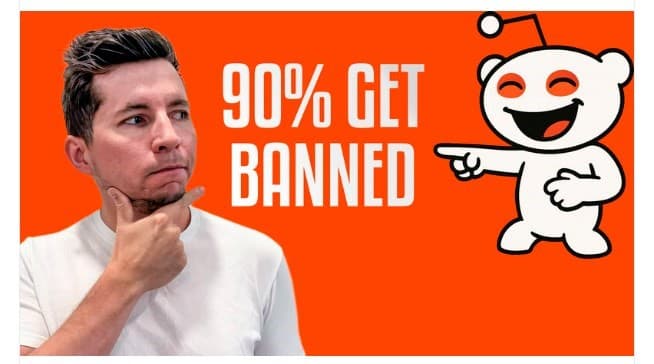
Oleg’s approach to AI visibility comes from watching what LLMs actually cite. He noticed early that AI systems pull from everywhere, not just Google. So he started building what he calls citation networks. He finds listicle articles that rank well and get referenced by LLMs, then gets his clients featured in them.
He also pushed video content before it was obvious. Oleg creates YouTube channels for clients using ElevenLabs for voiceovers. Videos help capture citations since AI pulls from multiple platforms, not just text-based sources.
His LinkedIn shows the same practical mindset. When Google expanded AI Overviews, Oleg wasn’t speculating about what might happen. He was analyzing click-through rates and sharing specific adjustments specialists should make.
Before all this AI talk, Oleg sold two affiliate sites for over a million dollars combined. Each had about 150 posts and pulled five figures monthly. He focused on improving existing articles instead of chasing volume. That efficiency carries over to his AI work today.
What sets him apart:
- Runs the largest Reddit community focused on practical AI SEO experimentation
- Uses listicle placements strategically because LLMs cite roundup posts heavily
- Treats YouTube as a citation channel, not just a traffic source
- Brings affiliate discipline to AI visibility, focusing on ROI rather than trends
2. Aleyda Solís: The Mapmaker Tracking Where Traffic Actually Goes
Aleyda founded Orainti and writes the SEOFOMO newsletter, which recently crossed 40,000 subscribers. She specializes in international SEO, but her recent work on AI traffic patterns matters more.
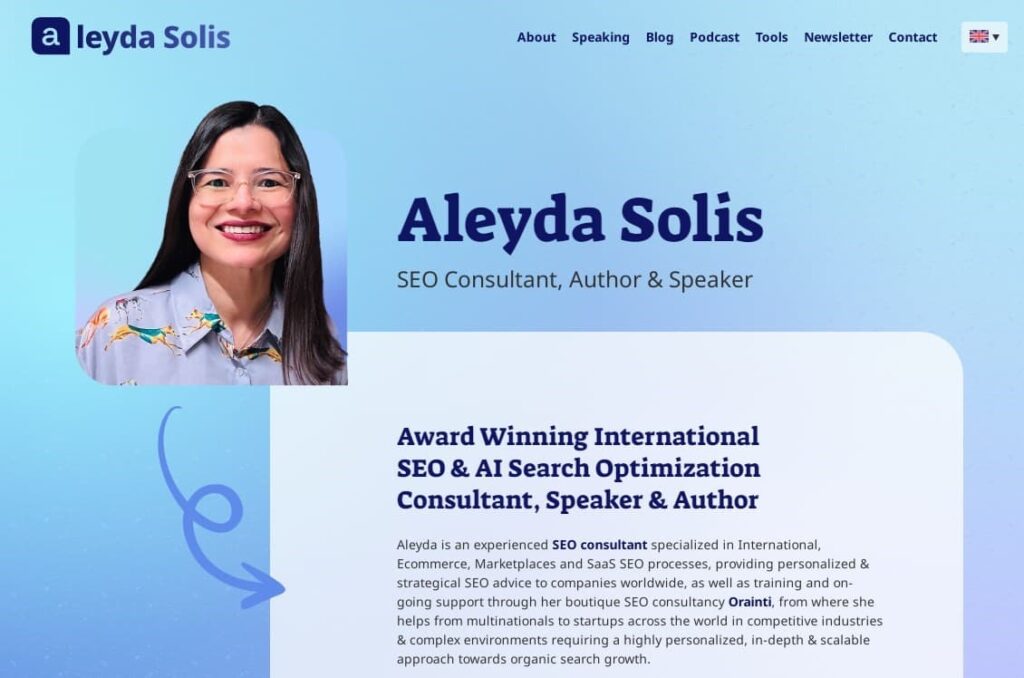
She ran something worth paying attention to. Aleyda tested 773 identical queries across GPT-5, Claude, and Gemini. The platforms disagreed on recommendations 54.5% of the time. Not different rankings. Different winners.
This changes how brands allocate resources. You can optimize for citations all day. But if GPT loves you and Claude ignores you, you’re only capturing half the potential market.
She also tracks what she calls the feedback loop problem. Traffic loss isn’t the real risk. Feedback loss is. Fewer clicks mean fewer behavioral signals. This slows down experimentation. Brands need to create their own insight loops to compensate.
At a Similarweb gathering in London, Aleyda brought together SEOs from agencies, in-house teams, and publishers. The conversations revealed something uncomfortable. Many teams make strategic calls based on assumptions rather than actual data.
What makes her worth following:
- Tested 773 identical queries across major LLMs and found 54.5% disagreement rate
- Identified the feedback loss problem where fewer clicks mean less data to learn from
- Runs SEOFOMO, one of the most trusted industry newsletters with 40,000+ subscribers
- Brings international perspective to AI search as models train on global data
- Hosts practitioner gatherings where real work gets discussed, not theory
3. Dixon Jones: The Historian Who Watched AI Rewrite Everything
Dixon Jones has been in search since before Google was Google. He co-founded Majestic, the backlink analysis tool, and now speaks and consults independently.
His recent writing focuses on something he calls “journey mapping.” The idea is simple. People don’t search in isolation. They search along paths. They start broad, then narrow, then decide. AI now collapses those paths into single answers.
Dixon points out that featured snippets were the warning shot. They gave answers without clicks. AI Overviews do the same thing at scale. But he also sees opportunity. If you understand the journey, you can position your brand at decision points rather than just early research phases.
He also tracks how AI treats brand vs. generic queries. His data suggests AI platforms favor branded terms when they appear, but only if the brand has sufficient third-party validation. Mentions in trusted publications matter more now than ever.
Dixon speaks at conferences globally and his site, dixonjones.com, archives decades of search thinking. Few people carry that much context about where search came from and where it’s heading.
What makes him worth following:
- Co-founded Majestic and built one of the industry’s largest link databases
- Developed journey mapping as a framework for understanding AI answer collapse
- Tracks brand vs. generic treatment in AI platforms with proprietary data
- Carries three decades of search context that informs where things go next
- Speaks internationally and connects historical patterns to current shifts
4. Szymon Słowik: The Researcher Who Studies How AI Thinks
Szymon runs takaoto.pro in Poland. His focus is AI-mode SEO and NLP optimization. He researches how large language models interpret search queries and rank content.
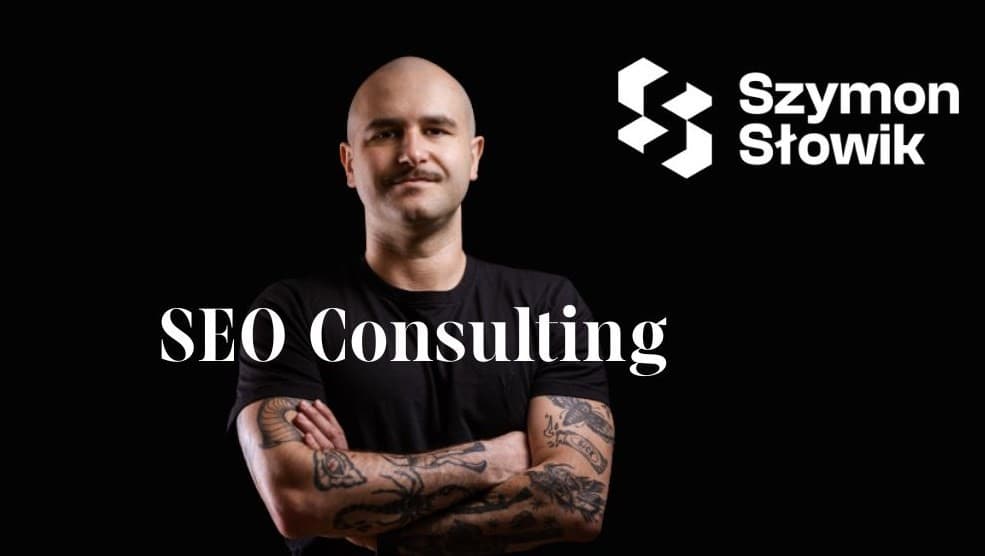
His work on entity-based optimization matters more in 2026 than ever. Szymon maps how AI connects concepts, not just keywords. He studies structured data, topical authority, and how models decide what information to trust.
One area he consistently publishes on is how AI handles ambiguity. When queries have multiple interpretations, how do models choose which meaning to serve? His research suggests entity clarity matters. If your content clearly establishes what you are and who you serve, AI disambiguates in your favor.
Szymon also experiments with how AI processes different content formats. Tables. Lists. Definitions. Paragraphs. His findings suggest AI extracts differently from each format, and structuring content with this in mind improves citation rates.
He’s also my friend. I joined his podcast to discuss how AI transforms link building and search visibility. That conversation covered off-site SEO in the AI era and why traditional approaches need updating.
What makes him worth following:
- Researches how LLMs interpret queries at the entity level, not just keyword level
- Maps how AI disambiguates between multiple meanings for the same query
- Tests content format extraction differences and publishes findings
- Focuses on structured data and topical authority as AI trust signals
- Bridges Polish and European SEO communities with global research
5. Cindy Krum: The Analyst Who Predicted Most of This
Cindy Krum founded MobileMoxie and has been writing about entity-based SEO for years. She predicted mobile-first indexing before Google announced it. She’s been ahead of almost every major shift.
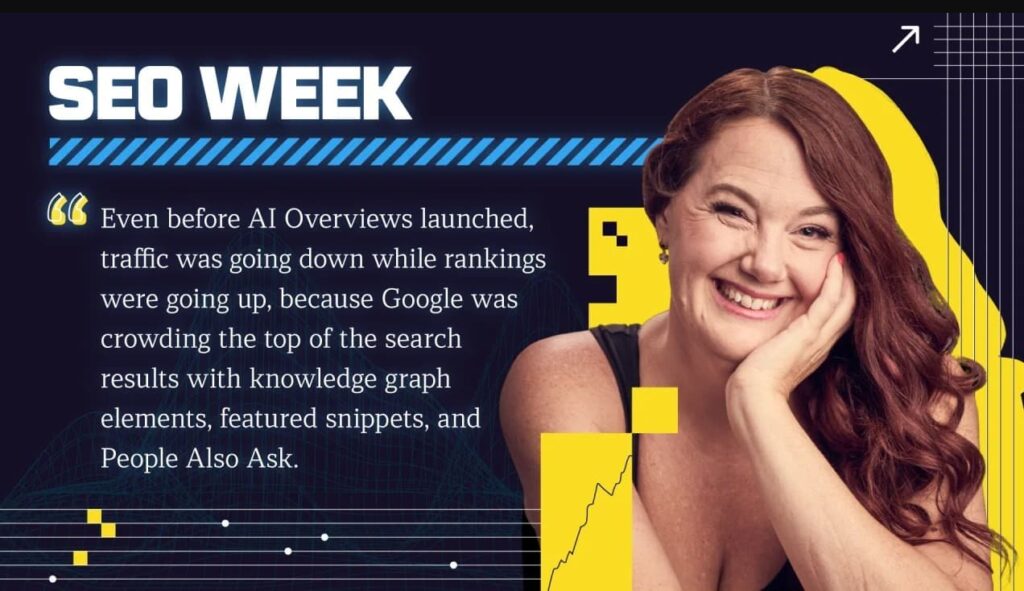
Her current focus is on how AI models understand relationships between entities. Not just what things are, but how they connect. Cindy argues that Google’s Knowledge Graph was the prototype. AI Overviews are the full expression.
She also tracks how AI handles real-world events. When something happens in the world, how quickly do models incorporate that information? Her research suggests latency varies wildly by platform and topic. Understanding these delays helps brands time their visibility efforts.
Cindy speaks at conferences globally and publishes consistently on MobileMoxie’s blog. She also hosts a popular podcast where she interviews other search thinkers about where the industry heads next.
Her entity-based framework now forms the foundation for how many specialists approach AI visibility. If you’re not thinking in entities yet, her work is where you start.
What makes her worth following:
- Predicted mobile-first indexing years before Google announced it
- Developed entity-based SEO frameworks that predate the AI search boom
- Tracks how AI models incorporate real-world events and timing variations
- Hosts a podcast featuring deep conversations with other search thinkers
- Publishes consistently on MobileMoxie with practical entity optimization guidance
6. Craig Campbell: The Educator Who Makes AI Practical
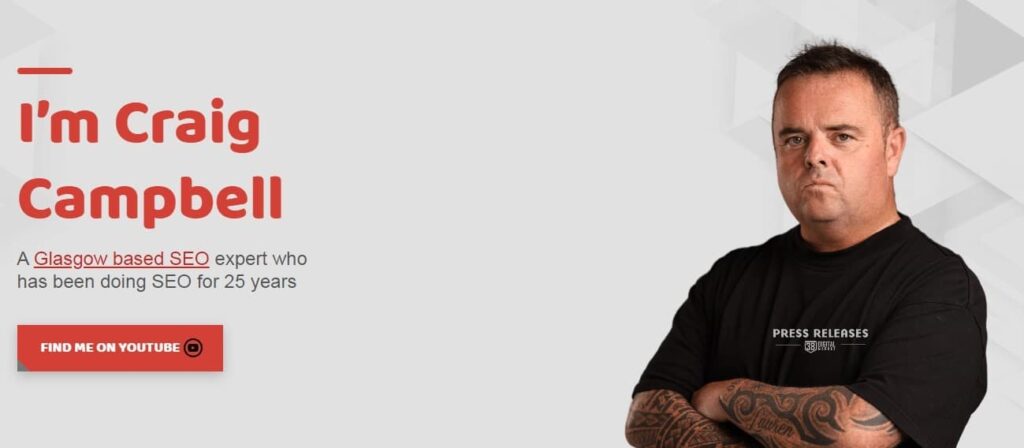
Craig Campbell runs Craig Campbell SEO in Scotland. He’s been in the industry for over 20 years and was among the first to use AI tools like Jasper, SurferSEO, and Koala Writer for content automation.
His teaching focuses on something simple: AI should augment humans, not replace them. Craig promotes using AI while maintaining E-E-A-T principles and human oversight. He runs training programs showing exactly how to blend both.
Craig also experiments constantly. He tests new tools as they emerge and shares what works. His YouTube channel and conference talks focus on practical application rather than theory. If a tool doesn’t save time or improve results, he moves on.
He also emphasizes that E-E-A-T matters more in the AI era, not less. Experience, expertise, authoritativeness, and trustworthiness. These are the signals AI uses to decide what to cite. Craig’s frameworks help brands build all four systematically.
I first met Craig in 2018. He became my SEO mentor and connected me with people across the industry. My career took off because of those connections.
What makes him worth following:
- Adopted AI tools early and developed practical workflows others can replicate
- Teaches AI + human blending with emphasis on maintaining E-E-A-T
- Tests emerging tools constantly and shares real results, not sponsored content
- Runs training programs focused on implementation rather than theory
- Carries 20+ years of experience that filters out what actually works vs. what’s hype
These six approach AI search from different angles. Community building. Cross-platform analysis. Historical context. Entity research. Framework development. Practical education.
The best AI SEO expert 2026 for you depends on what you need. If you want tactical testing, follow Oleg. If you need a cross-platform strategy, Aleyda’s your person. If you’re building long-term frameworks, Cindy and Szymon deliver.
What they share is honest work. They study how these systems function and share what they find.
That’s what matters in 2026.
Wrapping Up: What This List Tells Us About 2026
The AI search era rewards clarity over complexity. It rewards consistency over cleverness. And it rewards people who actually understand how these systems work, not people who guess.
If you need a top AI SEO expert in the world to learn from, these six cover the spectrum. From community building to engineering to category definition to cross-platform analysis. Each brings something different.
Search fractured into pieces. But the people who understand it are still findable. Start here.